Leasing a warehouse in the Philippines follows a fairly standard playbook, but the standards are rarely written down anywhere a first-time lessee can find them. This guide walks through the whole process — search, viewing, offer, contract, and move-in — with the numbers that are considered normal in the 2026 market, so you can spot when a deal is off-market in either direction.
Step 1: Define your requirement and budget
Write a one-page requirement sheet before you contact anyone: floor area range, ceiling height minimum, loading bay count, power requirement in kVA, location radius, and target move-in date. Owners and brokers respond faster and more seriously to a specific requirement than to a vague inquiry.
For budget, think in total monthly cost, not just base rent. A ₱200/sqm quote can become ₱240+ effective once you add CUSA or association dues (commonly ₱20–₱50/sqm in managed compounds and ecozones), VAT, and utilities. On 1,000 sqm, that is the difference between ₱200,000 and ₱240,000 a month.
Step 2: Search and shortlist
The PH warehouse market is fragmented: some stock is with big brokerages, some with local brokers, and a lot is owner-listed on Facebook groups with outdated photos and no floor plans. Expect listings to be stale — a meaningful share of advertised spaces are already committed.
Shortlist five to eight candidates and verify availability before scheduling trips. A centralized marketplace like Warehouse Hub keeps listings verified and current, and a rep can pre-screen buildings against your requirement sheet so you only travel to real options.
Step 3: View like an inspector, not a visitor
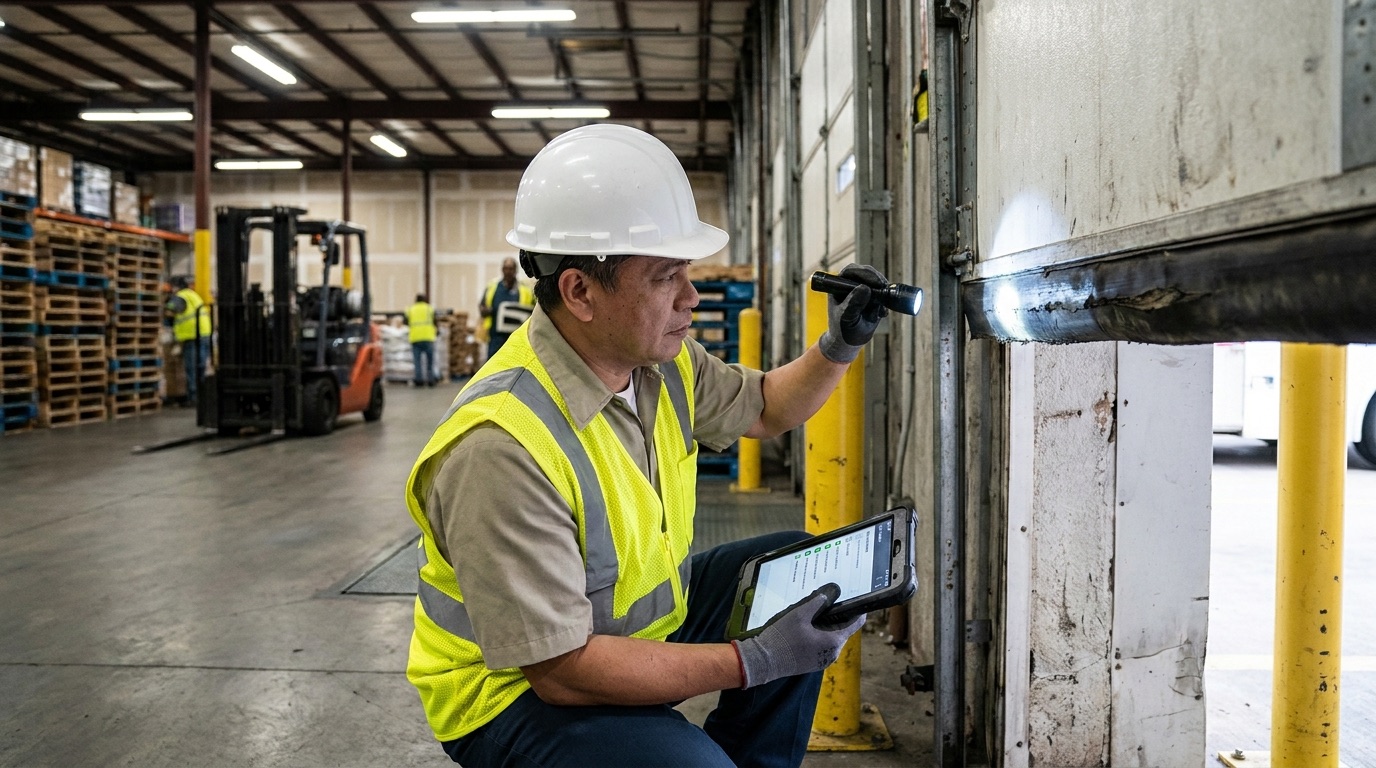
Bring a tape measure, a laser distance meter if you have one, and your requirement sheet. Verify the advertised floor area (measure column-to-column bays and count them), check apex versus shoulder height, and test the loading bay approach with your actual truck dimensions in mind.
Ask the hard local questions: Has the street flooded in the last five years? What happened during the last strong typhoon? What is the power capacity and who owns the transformer? Are there existing BIR-registered lease contracts in the compound (a sign of a documented, professional owner)?
Step 4: Understand the standard money terms
Philippine warehouse leases cluster around well-established norms. Knowing them keeps negotiations grounded:
- Advance rent: 1–2 months, applied to your first month(s) of occupancy
- Security deposit: 2–3 months, refundable at end of term less damages and unpaid bills, typically returned 30–60 days after turnover
- Minimum term: 2–3 years for most industrial space; 5+ years for built-to-suit
- Escalation: 5–10% annually, usually starting year 2
- CUSA/dues: ₱20–₱50/sqm in managed parks; sometimes bundled, sometimes not
- Fit-out period: 15–60 days rent-free is negotiable for spaces needing work
Step 5: The contract and due diligence
Before signing, verify the signatory actually controls the property: ask for the Transfer Certificate of Title or tax declaration, and a Secretary's Certificate or SPA if you are dealing with a corporation or representative. Check that the lease permits your specific use — some compounds prohibit chemicals, food processing, or 24-hour operations.
Read the fine print on repair obligations (structural should stay with the owner), insurance requirements, sublease rights, and pre-termination. A typical pre-termination clause forfeits your deposit and may charge unserved months — negotiate a cap.
Have the contract notarized, and register long leases if your counsel advises it. Notarization is standard practice and matters if you ever need to enforce terms.
Step 6: Turnover and move-in
Do a documented turnover inspection with photos and a punch list signed by both sides — this protects your deposit at the end of the lease. Secure your own permits promptly: barangay clearance and mayor's permit for the new location, fire safety inspection certificate, and BIR registration of the branch or facility.
Why do so many lessees use a mediated marketplace for all of this? Because the owner's broker works for the owner. A mediated model — the approach Warehouse Hub uses — puts a neutral rep between both parties for viewings, negotiation, and documentation, which keeps terms at market norms and paperwork complete for both sides.