The gap between dry and cold warehousing is not one decision but a ladder of temperature tiers, each step multiplying your cost. Put a product one tier higher than it needs and you burn margin every month; put it one tier lower and you burn the inventory itself. In a country where ambient means 33°C and 80% humidity, the stakes are higher than the textbook says.
Here is how to place your product on the ladder, and what each rung costs in the 2026 Philippine market.
The four storage tiers
Philippine facilities generally fall into four classes, each with its own equipment, power profile, and price:
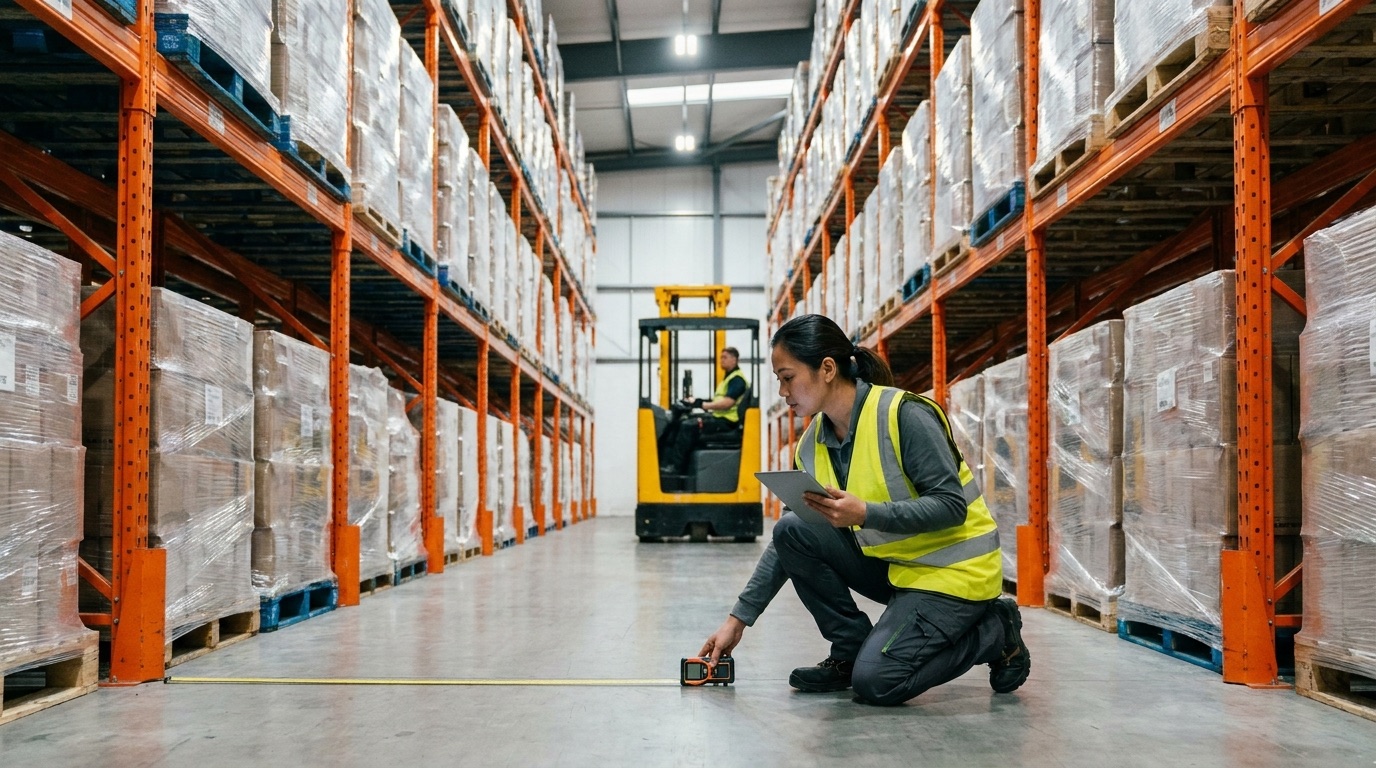
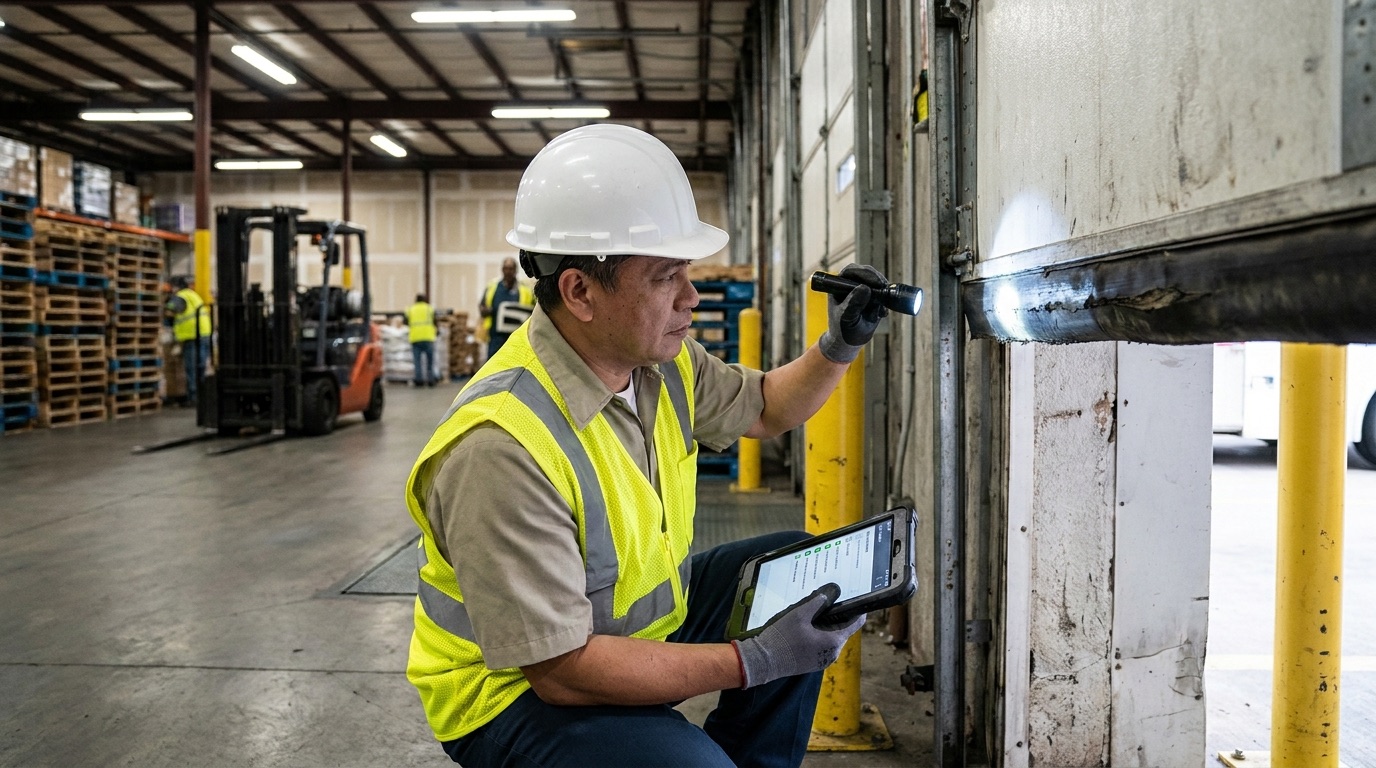
- Ambient / dry (roughly 28–35°C inside): standard warehousing at ₱150–₱350/sqm depending on location — general merchandise, hardware, canned goods, garments
- Air-conditioned / climate-controlled (18–25°C): electronics, cosmetics, pharma OTC, chocolate, wine — expect a premium over dry, plus significant power bills
- Chilled (0–10°C): fresh produce, dairy, eggs, processed meats — usually priced per pallet per day/month rather than per sqm
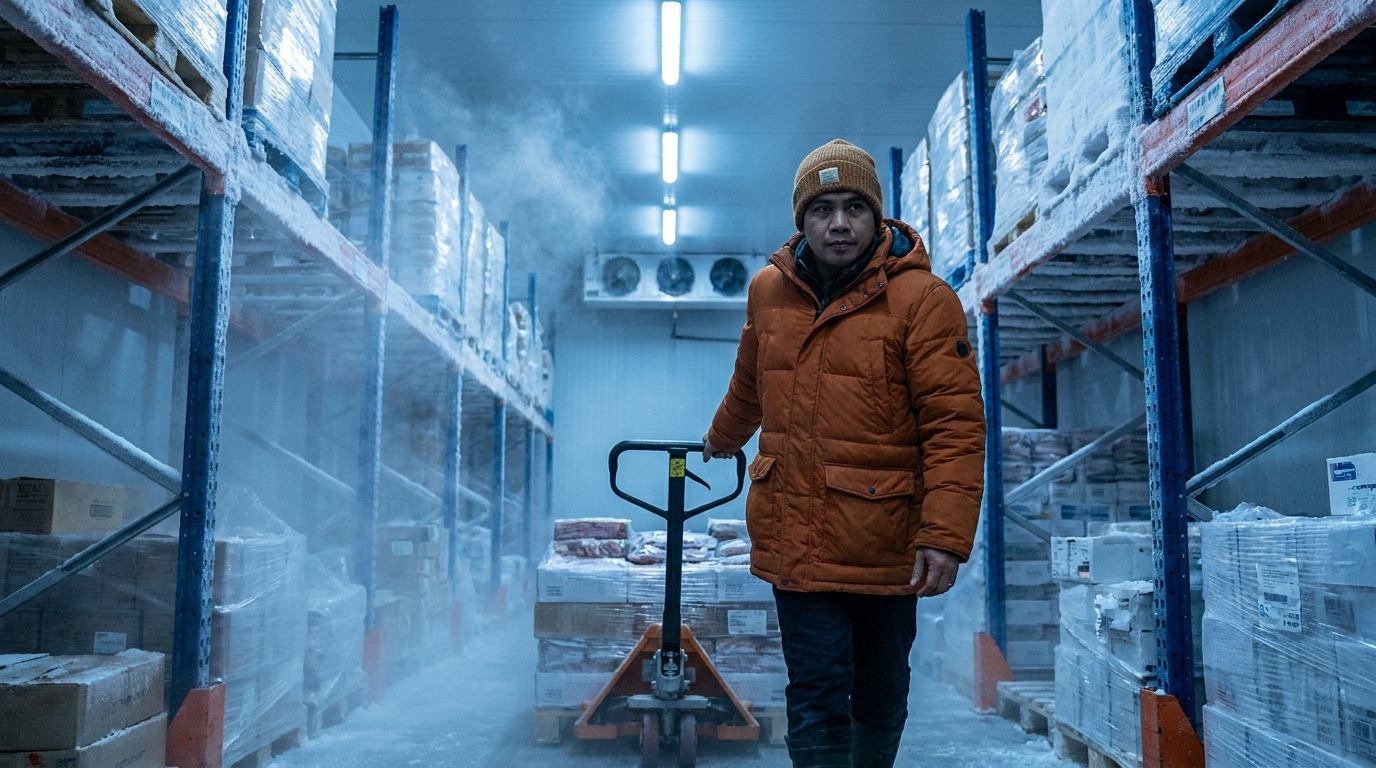
- Frozen (-18 to -25°C): meat, seafood, ice cream, frozen ready meals — the most expensive tier; commercial rates commonly land around ₱25–₱45 per pallet per day at third-party facilities
What actually needs cold — and what just needs 'not hot'
The expensive mistake in the PH market is defaulting to full air-conditioning for products that merely need protection from heat spikes and humidity. Chocolate blooms above ~30°C, cosmetics separate, electronics suffer from condensation cycles more than from heat itself. Many of these survive in a well-ventilated, insulated dry warehouse with dehumidified rooms for the sensitive SKUs — a hybrid setup that costs a fraction of conditioning the whole building.
Genuinely cold-chain products are non-negotiable: anything under DOH/FDA cold-chain rules (vaccines, biologics, many food products) carries mandated storage temperatures, and BFAD/FDA licensing of the facility itself. If your product has a required storage temperature on its label, the decision is made for you — your only choice is build versus rent.
Rent space or buy pallet positions?
For frozen and chilled goods, most Philippine SMEs should not lease a cold room — they should buy pallet positions from a third-party cold storage operator. Facilities in Metro Manila, Cavite, Laguna, and around the fishing ports of Navotas and General Santos sell storage per pallet per day, with blast freezing as an add-on. You pay only for occupied positions and skip the terrifying capex and power exposure.
Leasing or building your own cold room starts to make sense above roughly 150–300 continuously occupied pallet positions, or when you need processing space attached. Be honest about the power bill: a small 100-pallet frozen room can draw more electricity than an entire 2,000 sqm dry warehouse, and Meralco industrial rates make refrigeration the second-largest cost after rent.
Questions to ask any cold storage provider
Cold chain quality varies widely. Before committing inventory, verify the operational discipline, not just the temperature setpoint:
- Temperature mapping and logging — can they show you continuous logs, and will you get alerts on excursions?
- Backup power — generator capacity and fuel autonomy; how long can they hold -18°C in a brownout?
- FDA / accreditations — Licence to Operate for food/pharma storage, HACCP or ISO 22000 if relevant
- Handling windows and fees — receiving cut-offs, minimum charges, blast freezing rates, and pallet in/out fees that can double a headline rate
The hybrid pattern most growing brands land on
The most common end-state for a growing PH food or beauty brand is a split operation: a leased dry warehouse for packaging, dry SKUs, and fulfillment, plus rented pallet positions at a nearby cold storage facility for the temperature-controlled stock. Locating the two within a short truck run of each other — say, both along the Laguna corridor — keeps shuttle costs sane.
If that is where you are heading, choose your dry warehouse with the cold partner in mind. Warehouse Hub reps can shortlist dry facilities near established cold storage operators and handle both viewings in one trip.