Racking is usually the single largest capital purchase an SME makes when fitting out a warehouse, and it is the one that is hardest to undo. Get it right and you turn a modest floor into a dense, fast, safe operation; get it wrong and you either strand pallet positions you paid for or fill the building with a system that fights your picking pattern every day.
The trap most first-time buyers fall into is shopping on price per bay. The better question is which racking type fits how your product actually moves — because the cheapest rack per position is worthless if it forces your forklift to double-handle every order. This guide walks through the five systems common in Philippine warehouses, when each earns its keep, and the floor-load, ceiling-height, and seismic factors that decide whether a plan on paper survives contact with a real building.
Selective racking: the default for good reason
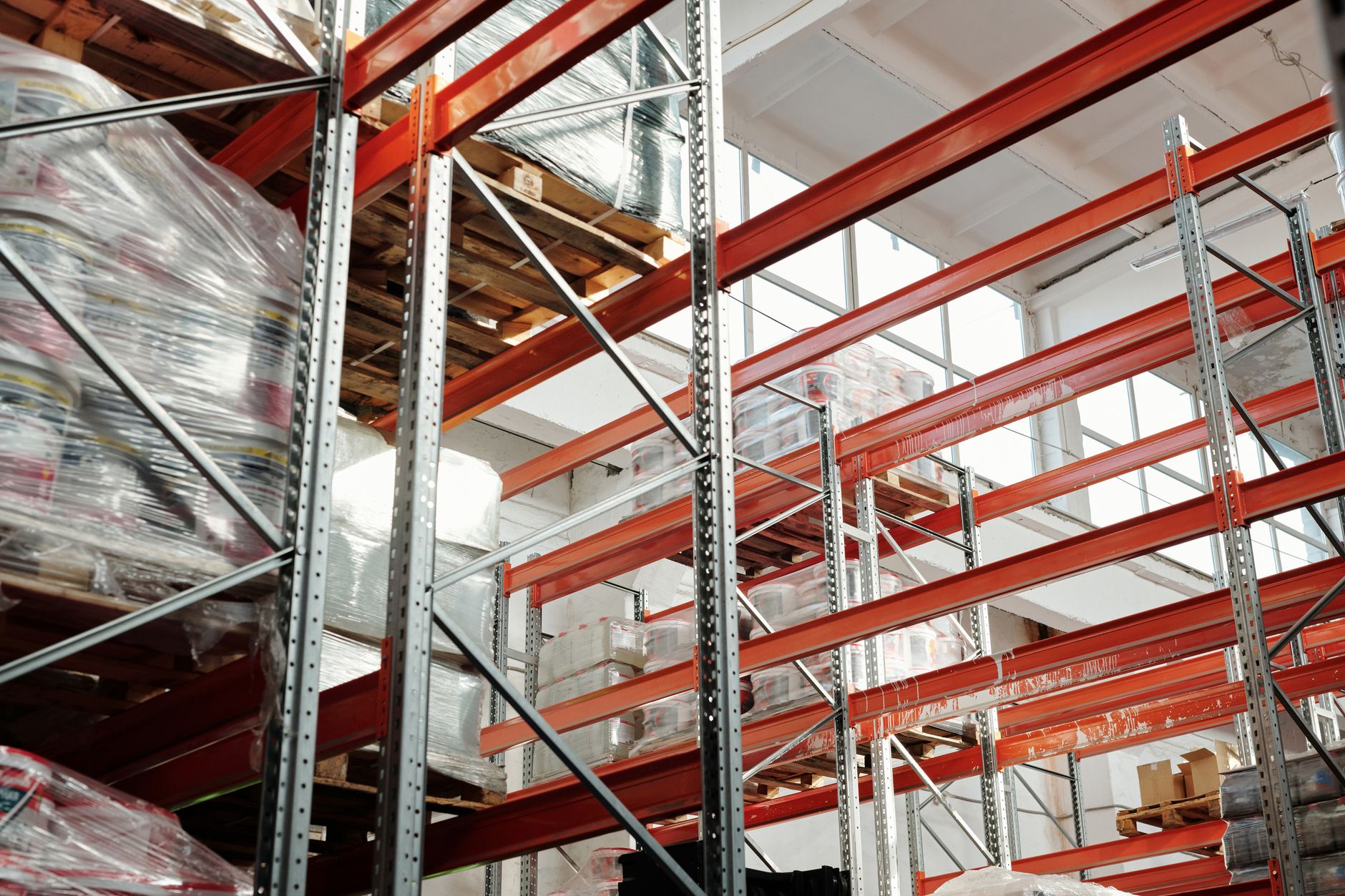
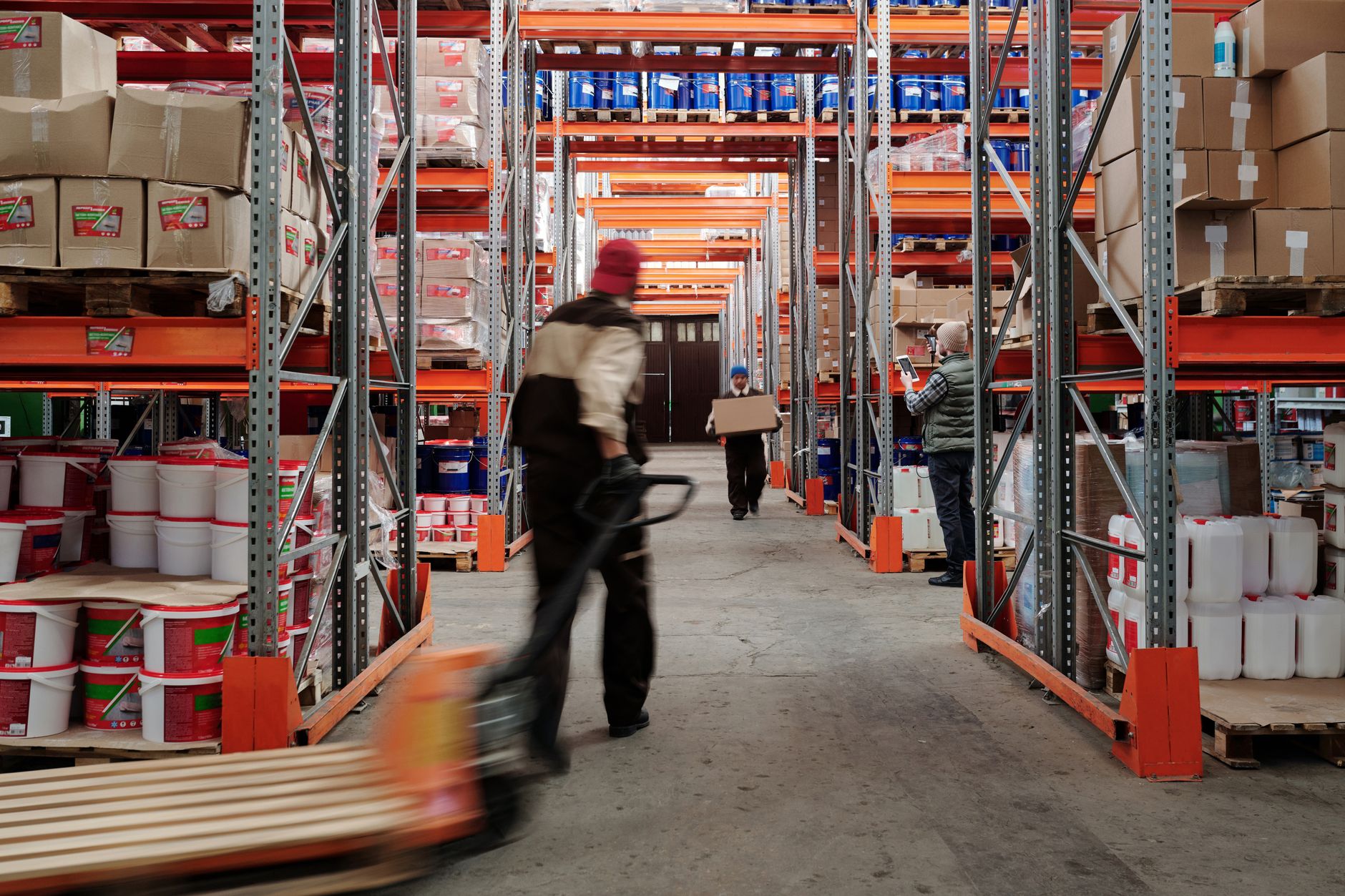
Selective pallet racking — single-deep rows with an aisle between every pair — is the workhorse of the Philippine market, and for most SMEs it is the correct default. Every pallet is directly accessible, so you can pick any SKU at any time without moving another pallet. That selectivity is what makes it forgiving: it suits a wide product range, mixed velocities, and the reality that most operations do not know their exact flow until they have run for a year.
The cost of that flexibility is density. Because every bay needs aisle access, selective racking is the least space-efficient of the pallet systems — you spend a large share of your floor on aisles. If your SKU count is high and your quantity per SKU is low, that trade is worth it. If you hold a few products in enormous volume, you are paying for selectivity you do not use.
High-density systems: drive-in, push-back, pallet-flow
When you store large quantities of few SKUs, high-density systems recover the floor that selective racking spends on aisles. Each makes a different trade between density and access, and choosing among them comes down to your stock-rotation rule.
- Drive-in racking: the forklift drives into a lane and stacks pallets deep, sharing lanes across bays. The densest option, but it works Last-In-First-Out (LIFO) — the last pallet in is the first out. Right for homogeneous, non-perishable bulk stock; wrong for anything with strict expiry dating.
- Push-back racking: pallets sit on nested carts on inclined rails; loading one pushes the others back, and removing one lets the rest roll forward. Also LIFO, but faster and safer than drive-in because the forklift never enters the lane. Good 2-to-5-deep density for medium-velocity SKUs.
- Pallet-flow (gravity) racking: pallets load at the back on rollers and flow to the pick face at the front — genuine First-In-First-Out (FIFO). Ideal for food, beverage, pharma, and anything expiry-driven, and excellent for high-throughput picking. It is the most expensive per position and demands a level, high-load floor.
Mezzanine: buying floor you already have overhead
A mezzanine is not a racking type but a way to reclaim vertical space that racking cannot use — under-height buildings, pick-face-heavy e-commerce operations, or offices you would rather not carve out of ground-floor storage. A steel mezzanine can double usable area for light picking, packing stations, returns processing, or admin space while leaving the ground floor for pallets.
The catch is that a mezzanine is a structure, not furniture. Its columns concentrate load on the slab, so the floor rating matters as much as it does for high racking. In the Philippines many LGUs treat a mezzanine as a building alteration requiring a permit and a structural design signed by a licensed civil or structural engineer — confirm this before you assume you can simply install one under a lease.
Floor load and ceiling height decide what is possible
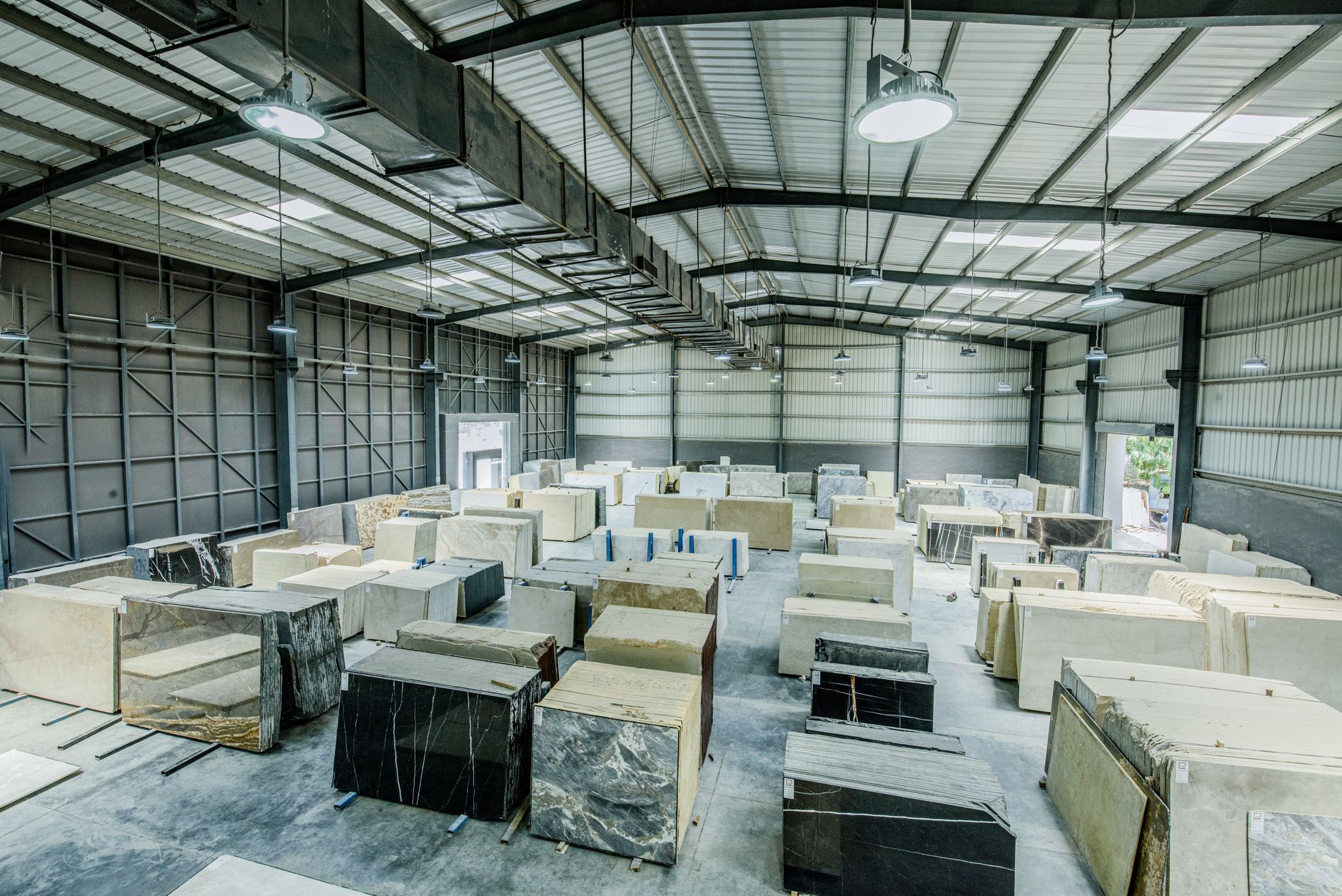
Two building numbers govern every racking decision, and both must come in writing before you buy a single upright. The first is clear height — measured to the lowest obstruction (a purlin, a duct, a sprinkler line), not to the roof apex. A 6-metre clear height typically allows three selective levels; 8 metres allows four; below 5 metres you are floor-stacking or running a single level and should be thinking about a mezzanine instead.
The second is floor load capacity. Racking does not spread weight evenly — it drives the entire load of a loaded bay down through a few small baseplates, producing point loads far higher than the average tonnes-per-square-metre figure suggests. Modern industrial-park slabs are commonly rated around 3 tonnes per square metre, but older converted bodegas can be a fraction of that, and a slab that happily holds floor-stacked goods can crack under concentrated rack loads. Ask for the slab rating and, for tall or heavy installations, have your racking supplier's engineer confirm the baseplate loads are within it.
Seismic design is not optional in the Philippines
The Philippines sits on the Pacific Ring of Fire and is one of the most seismically active countries on earth. Loaded racking is top-heavy and, in a strong quake, can sway, shed pallets, or collapse — a hazard to both stock and the people working the aisles. Racking here should be specified and braced for seismic loading, not bought as the cheapest generic frames a supplier can source.
Reputable suppliers design to recognised standards and account for local seismic zones; treat a supplier who cannot discuss seismic bracing as a warning sign. Practical measures compound the design: bolt baseplates properly to the slab, fit cross-aisle and down-aisle bracing, avoid overloading upper levels, and secure or net high pallets where a fall would endanger staff. The National Structural Code of the Philippines governs seismic design of structures, and racking in an occupied warehouse is well within its spirit.
- Specify racking braced for the local seismic zone — get the design basis in writing.
- Bolt every baseplate to the slab; do not rely on weight alone to hold frames down.
- Fit column guards and end-of-aisle protectors — forklift strikes are the usual first cause of collapse.
- Post rated load per bay level on the frames and enforce it; overloading defeats the seismic design.
Cost versus density: a working framework
Rank the five systems on two axes and the decision clears up. On density, drive-in and pallet-flow pack the most pallets per square metre, push-back sits in the middle, and selective is the least dense. On access and flexibility the order reverses: selective gives total access, pallet-flow gives clean FIFO, and drive-in gives the least selectivity. On capital cost, selective is cheapest per position, drive-in moderate, and push-back and pallet-flow the most expensive.
Map your operation onto that grid. Wide range, uncertain flow, tight budget: go selective. Few SKUs, huge volume, no expiry pressure: drive-in or push-back reclaims serious floor. Expiry-driven or high-throughput picking: pay for pallet-flow. Low ceiling or a heavy pick-and-pack workload: add a mezzanine. Most growing Philippine SMEs land on a hybrid — selective for the long tail, a block of high-density for the runners.
Before you buy
Do not order racking until the building is chosen and its clear height and slab rating are confirmed in writing, because those two numbers can eliminate a system entirely. Have your supplier lay out the plan in pallet positions, not bays, and pressure-test it against your real aisle width — a counterbalance forklift needs 3.5 to 4 metres, and a layout that ignores that generates damage costs forever.
Because racking condition and the building's height and floor rating are exactly the details that decide what you can install, they are worth verifying before you commit to a lease. Warehouse Hub listings capture clear height and, where available, slab ratings, so you can size a racking plan against a real building rather than discovering the ceiling is too low after you have signed.