There is a difference between a warehouse that survives a typhoon and a business that keeps running through one. A hardened roof and good drainage protect the building; they do nothing for the orders you cannot fulfil when the grid is down for three days, your staff cannot safely travel, and your couriers have suspended pickups across half of Luzon. Business continuity is an operational problem, not a construction one.
The Philippines averages around twenty tropical cyclones a year, and the habagat can flood low-lying areas even without a named storm. For an operations manager, storm season is a recurring, plannable condition — not bad luck. This guide covers the continuity playbook: protecting stock, keeping power and communications alive, keeping people safe, handling insurance, and building the supplier and courier contingencies that determine whether you recover in days or weeks.
Protect the stock: elevation and the wet-season floor rule
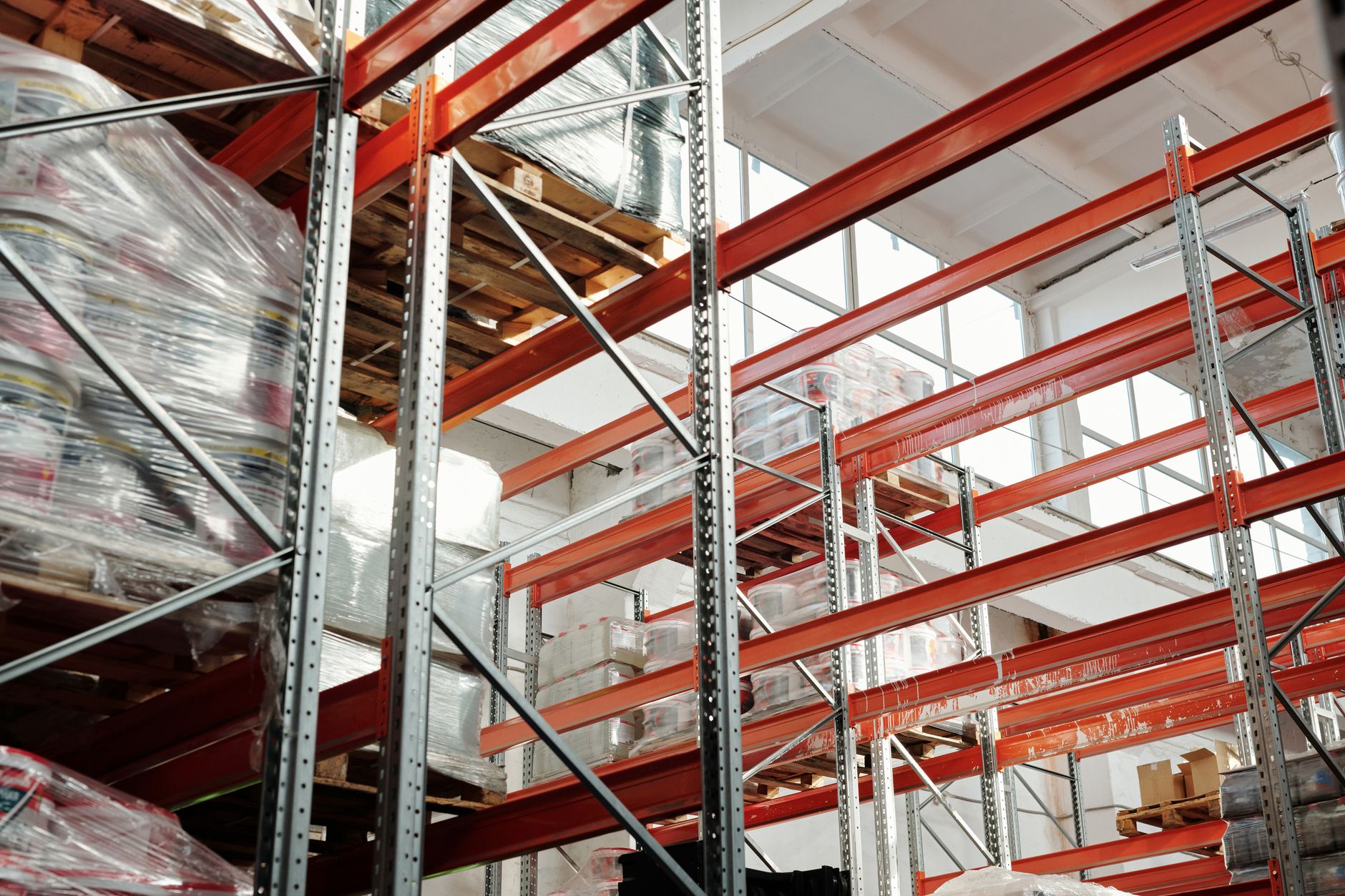
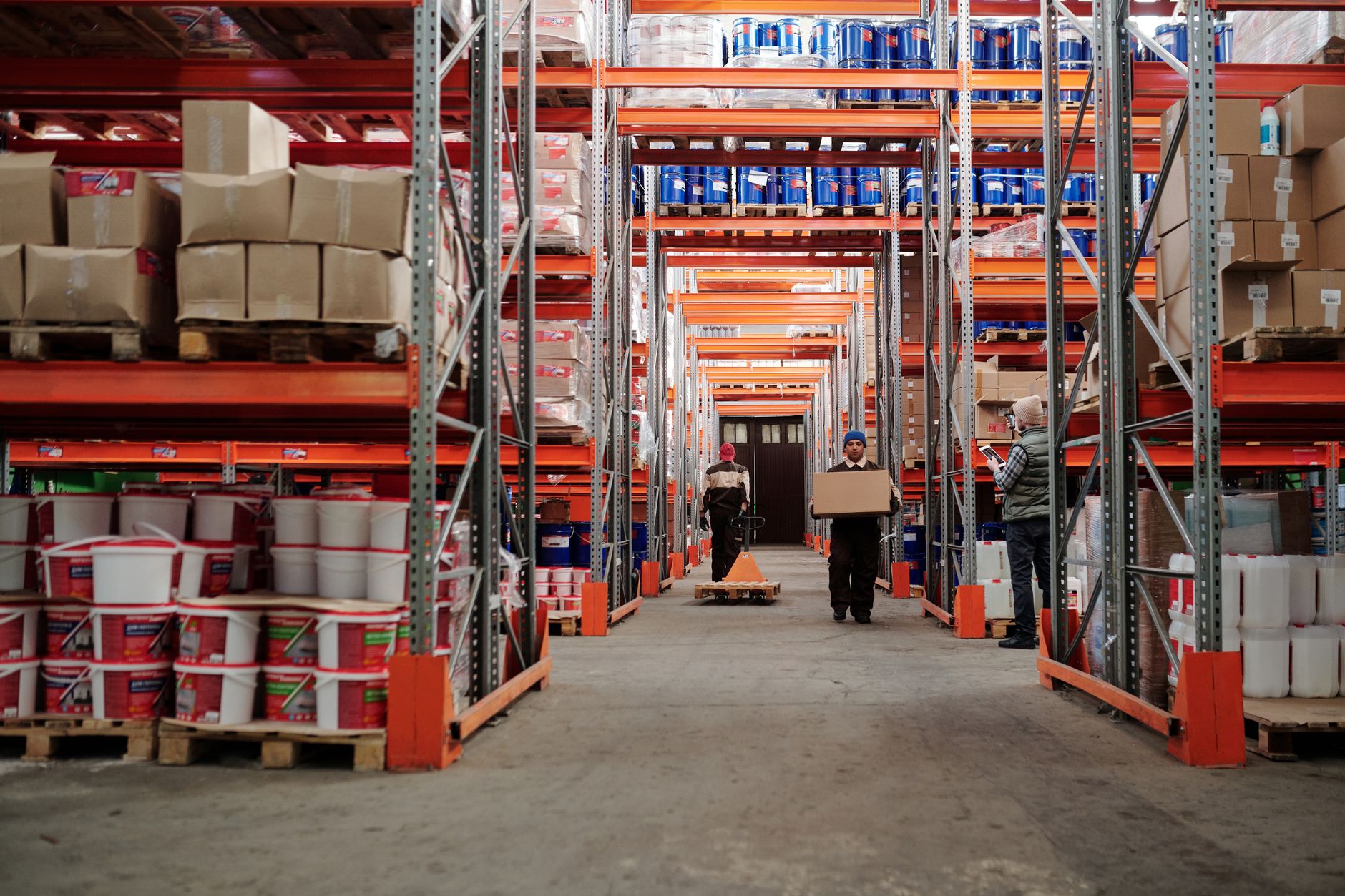
Water is the number one destroyer of stored goods in the Philippines, and most flood losses are preventable with a floor discipline that costs nothing but resolve. The rule is simple: during wet season, nothing of value sits directly on the slab. Everything valuable goes up — onto pallets, onto racking, onto the higher levels — with the lowest positions reserved for your cheapest-to-lose or water-tolerant stock.
In flood-adjacent locations, some operators keep the bottom racking level empty entirely from August through October. Combine elevation with monitoring: know your street's flood history honestly (ask neighbours and the barangay, not just the owner), watch PAGASA warnings, and have a trigger — a rainfall level or a rising-water signal — that moves the most valuable stock up before water arrives, not after.
- Keep the lowest racking level for low-value or water-tolerant stock during wet season.
- Store nothing valuable directly on the slab from August to October in flood-prone areas.
- Set a clear trigger (a PAGASA signal or observed water level) that activates stock elevation.
- Photograph inventory and its condition before the storm — it anchors any later insurance claim.
Check drainage before you need it
Drainage fails silently and reveals itself at the worst moment. A canal that silted up over the dry months, a catch basin full of debris, a downspout discharging against the wall footing — none of these announce themselves until a downpour puts water where your stock is. Continuity means treating drainage as a scheduled operational task, not a maintenance afterthought.
Desilt perimeter canals, catch basins, and culverts before the wet season starts and again mid-season, and confirm that the public drainage your site empties into is actually flowing — your clean canal is useless if the street it drains to is blocked. Test sump pumps monthly during the rains and keep a fuelled backup pump on site; a spare pump is cheap against a soaked pallet level. Pre-position sandbags or flood barriers at doors and dock ramps so deployment is minutes, not a scramble.
Power and communications: assume the grid goes
After a major storm, assume the grid is down for one to three days — longer in provincial areas. Continuity depends on planning for that outage rather than hoping it does not happen. Test your generator monthly under load, not just at idle, and keep fuel for at least 48 hours of essential running: security lighting, communications, and any refrigeration you cannot afford to lose. Protect the generator from flooding — a submerged genset is a paperweight exactly when you need it, so elevate it or bund it.
Communications keep the operation coordinated when the building empties. Keep power banks and radios charged, hold offline copies of critical contacts (staff, key customers, couriers, suppliers, insurer), and back up your records off-site or to the cloud before the storm so a flooded office does not erase your inventory and order data. Decide in advance how the team will reach each other when mobile networks are patchy — a single group thread and a phone tree beat improvising in the dark.
Staff safety comes first — and it is also continuity
No shipment is worth a life, and protecting your people is both the right call and the foundation of recovery — you cannot restart without them. Build the human plan explicitly. Nobody should be on site during the peak of a strong typhoon unless there is a genuinely safe, designated shelter. Set clear rules about when staff stop travelling and stay home, and never pressure anyone to cross floodwater or brave a storm to reach work.
Plan for the day after, too. Some staff will be displaced, have flooded homes, or be unable to travel because roads and transport are cut. Know in advance who lives where, who can realistically reach the warehouse when operations resume, and how you will support those hit hardest. Assign storm-time roles ahead of time — who monitors PAGASA and decides to activate the plan, who secures the building before landfall, who inspects and documents afterward — so the response is rehearsed, not invented under pressure.
Insurance: know the cover before the season
The time to understand your insurance is before the storm, not while standing in floodwater. In the Philippines, standard fire insurance does not automatically cover typhoon and flood — 'Acts of God' or explicit typhoon/flood/earthquake cover is an extension you must buy separately. Confirm exactly what your policy covers: the building, the stock, or both, and whether business interruption — lost income during downtime — is included.
Documentation is what turns a policy into a payout. Keep dated photos of your inventory and facility condition each quarter, so you can prove what you had and its state before the loss. After a storm, photograph all damage before you touch or move anything, because clean-up destroys the evidence a claim depends on. Claims backed by good documentation settle in weeks; claims without it settle in arguments — and the argument always favours the insurer.
Supplier and courier contingencies
A storm disrupts the whole chain you depend on, not just your four walls. Couriers suspend pickups and deliveries across affected regions, suppliers cannot deliver into flooded roads, and customers understand delays only up to a point. Continuity means having a plan for a chain that is partly broken, so you keep moving what you can and communicate honestly about the rest.
Build the redundancy and the messaging in advance. Do not depend on a single courier — having accounts with more than one of J&T, Ninja Van, Flash, and LBC lets you shift volume to whoever resumes service first in a given area. Know which suppliers have alternates and hold a modest buffer of critical stock ahead of storm season so a few blocked delivery days do not empty your shelves. And prepare customer communication templates now: proactively telling buyers that dispatch is paused for a storm and when it resumes protects trust far better than silence followed by a flood of 'where is my order' messages.
- Hold accounts with multiple couriers so you can route around region-specific suspensions.
- Keep a buffer of critical stock before storm season to ride out blocked delivery days.
- Identify alternate suppliers for your most important inputs in advance.
- Prepare customer-facing delay notices now, so you communicate proactively rather than reactively.
Write the plan down and drill it
All of this belongs in a one-page continuity plan that names who does what across four windows: 72 hours out (monitor PAGASA, confirm staffing and supplies), 24 hours out (elevate stock, brace and secure the building, clear loose yard items, back up records, charge equipment), during the storm (nobody on site outside a safe shelter), and after (photograph damage before clean-up, inspect, and restart safely). Drill it once a year, before the season, so the response is muscle memory rather than improvisation.
Choosing the right site is the foundation this plan rests on — an elevated slab, sound drainage, and no flood history make every continuity measure easier and cheaper. Warehouse Hub flags flood history and site elevation where verified, so you can weigh a building's storm-season resilience before you sign, rather than discovering it during the first habagat downpour.