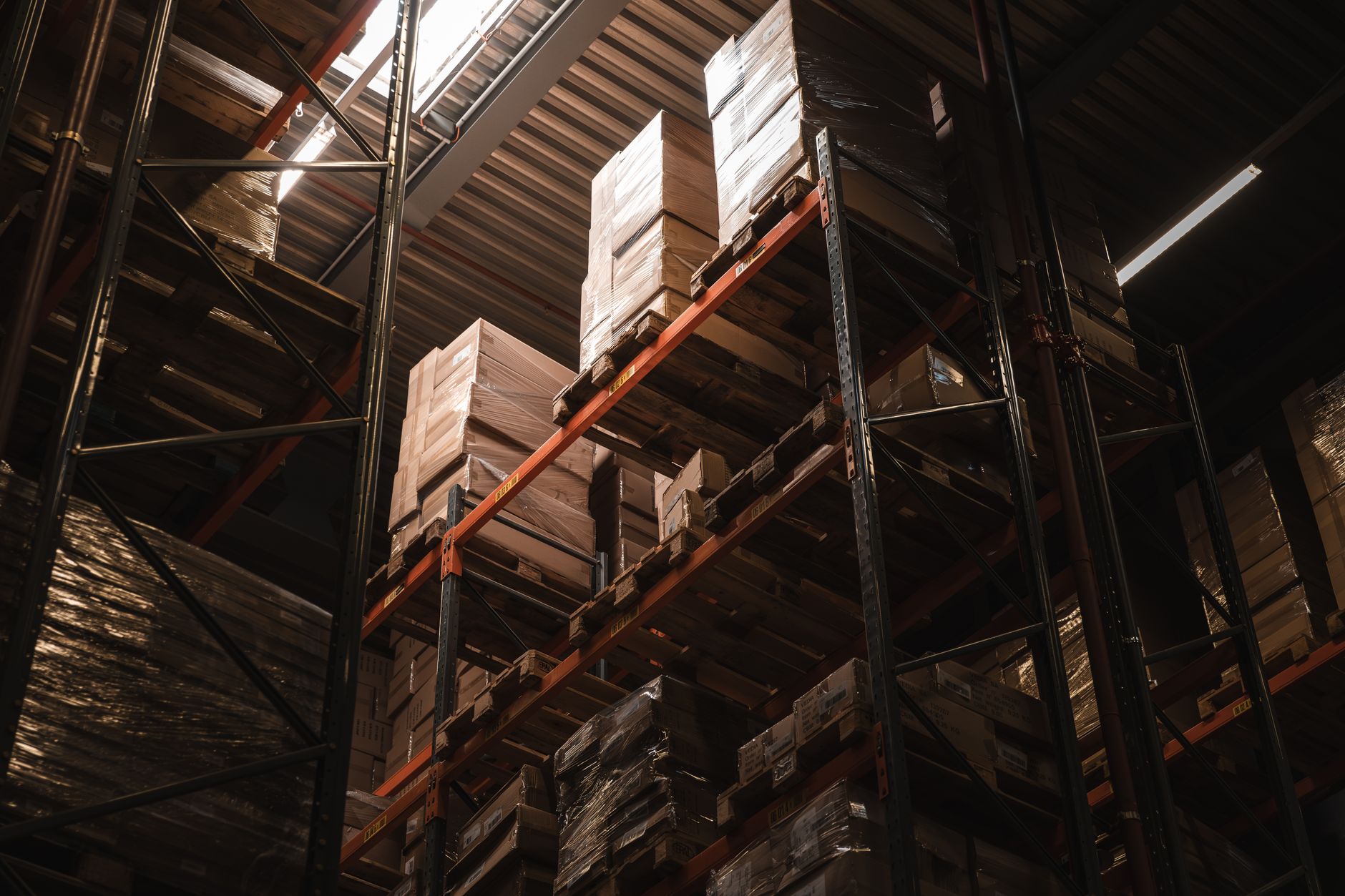
Operating a warehouse legally in the Philippines is less about one big license and more about a stack of permits, each issued by a different office, in a rough sequence where later approvals depend on earlier ones. Missing a step does not just risk a fine; it can stall your business permit, void your insurance, or leave you unable to legally open the doors.
This is a practical walkthrough of the permit stack for a warehouse operation, in the order most SMEs need to tackle it. Requirements and fees vary by local government unit, so treat this as a map and confirm specifics with your city or municipal hall and the relevant national agencies.
Step 1: Register the business entity (DTI or SEC)
Everything starts with a legally recognized business. A sole proprietor registers a business name with the Department of Trade and Industry (DTI). A partnership or corporation registers with the Securities and Exchange Commission (SEC). Cooperatives register with the Cooperative Development Authority.
This registration establishes your legal name and structure, and it is the document every subsequent office will ask to see first. Get the entity type right early, because changing from a sole proprietorship to a corporation later means redoing much of the downstream paperwork.
Step 2: Barangay clearance
With your registration in hand, you secure a barangay clearance from the barangay where the warehouse is located. This is the most local layer of government and confirms that your business is known to and cleared by the barangay for operating at that address.
It is usually quick and inexpensive, but it is a prerequisite for the mayor's permit, so it sits early in the sequence. Bring your business registration, proof of address or lease contract, and a valid ID.
Step 3: Mayor's permit / business permit
The mayor's permit, also called the business permit, is issued by the city or municipal government and is the central license to operate. For a warehouse, this is the document that legitimizes your presence at that location. The Business Permits and Licensing Office (BPLO) processes it, often through a one-stop shop, especially during the January renewal rush.
The business permit is not standalone. To issue or renew it, the LGU typically requires several clearances bundled together, which is why the fire safety inspection and sanitary permit below are usually processed as part of the same application. The business permit is renewed annually, generally within the first 20 days of January.
- Completed application form and barangay clearance
- DTI or SEC registration
- Lease contract or proof of ownership of the warehouse
- Occupancy permit for the building
- Fire Safety Inspection Certificate from the BFP
- Sanitary permit and, depending on the LGU, an environmental or locational clearance
Step 4: Fire Safety Inspection Certificate (BFP)
The Bureau of Fire Protection (BFP) inspects the premises for compliance with the Fire Code of the Philippines and issues a Fire Safety Inspection Certificate (FSIC). For a warehouse, this is one of the more consequential inspections because warehouses concentrate combustible goods and racking, and the fire load is high.
The FSIC is a precondition for the business permit, and you pay a fire safety inspection fee typically pegged as a small percentage of other permit fees. Expect the BFP to check exits, extinguishers, any sprinkler or fire detection systems, and clearances around stored goods. Because it gates the business permit, schedule it early.
Step 5: Sanitary permit and occupancy
The sanitary permit is issued by the local health office and confirms the premises meet sanitation standards. For warehouses handling food, feed, or consumer goods this matters more, and staff may also need health certificates. It is another clearance folded into the business permit application.
The occupancy permit, meanwhile, is a building-level document issued by the local building official under the National Building Code, certifying the structure is safe and fit for its intended use. As a tenant you should confirm the building already has a valid occupancy permit for warehouse or industrial use before you sign, because you cannot easily obtain a business permit for a building that lacks one, and remedying a missing occupancy permit is the landlord's problem, not something you can quickly fix.
A frequent complication is a use mismatch: a building whose occupancy permit describes it as, say, a commercial or residential structure cannot be lawfully used as a warehouse without the paperwork being corrected first. That correction runs through the building official and can take weeks, so it is far better discovered during due diligence than after you have committed to a lease.
Step 6: BIR registration and downstream compliance
Registration with the Bureau of Internal Revenue (BIR) sets up your tax identity: it authorizes your official receipts and invoices, registers your books of account, and establishes your tax obligations. You cannot legally issue receipts or claim input VAT without it. BIR registration is typically done alongside or shortly after the LGU permits, and the BIR will want to see your DTI or SEC papers and business permit.
Beyond these core permits, specific cargo may trigger additional requirements. Storing food or pharmaceuticals can bring the Food and Drug Administration into scope. Handling hazardous or regulated materials brings in DENR permits. Bonded storage for imported goods under customs control brings in the Bureau of Customs. Employing staff means SSS, PhilHealth, and Pag-IBIG registration.
Putting the sequence together
The dependencies matter more than the individual documents. Business registration enables barangay clearance; barangay clearance plus fire, sanitary, and occupancy clearances enable the mayor's permit; and the mayor's permit plus registration enable clean BIR setup. Work the chain in order and you avoid the classic trap of queueing for a permit you are not yet eligible to receive.
A large share of warehouse permit headaches trace back to the building itself, particularly a missing or use-mismatched occupancy permit that only surfaces after the tenant has signed. Verifying that the building's own documents are in order before committing is exactly the kind of due diligence a mediated marketplace like Warehouse Hub handles, so the permit chain does not stall on the landlord's paperwork.
Because LGUs differ in forms, fees, and bundling, always confirm the current checklist with the specific city or municipal hall where the warehouse sits, and with the BFP and BIR offices that cover it.